How to Design a Home for the Next 20 Years—Without Making It Look Accessible

The most enduring homes are not designed for one moment in time.
They accommodate changing routines, visiting parents, growing families, periods of recovery, and the gradual changes in mobility and vision that come with age. A home that works beautifully today should not become difficult to navigate tomorrow.
This is the idea behind thoughtful aging-in-place design.
The phrase can suggest ramps, clinical hardware, and visible modifications added only when they become necessary. Yet the best long-term design looks nothing like an institution.
It simply feels easier to live in.
Design for Comfort, Not Limitation
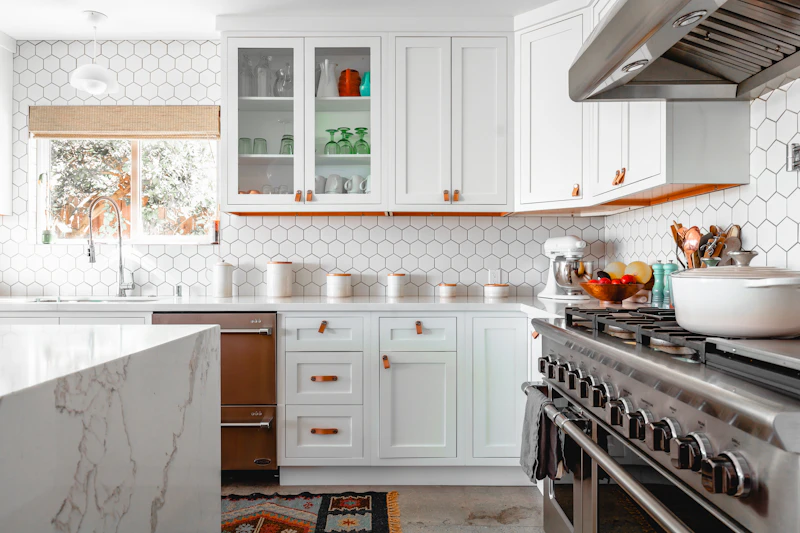
A curbless shower feels modern. Wider circulation feels generous. Deep kitchen drawers improve organization. Better lighting creates atmosphere while making stairs, hallways, and work surfaces easier to navigate.
These features are not only useful for older homeowners.
A zero-threshold entrance helps with luggage, deliveries, strollers, and temporary injuries. A handheld shower improves comfort and simplifies cleaning. Lever handles and intuitive lighting controls are easier for everyone to use.
The goal is not to create a “senior home.” It is to remove unnecessary obstacles without compromising the architecture.
Make the Important Spaces Adaptable
One of the most valuable long-term decisions is creating the ability to live comfortably on one floor.
A flexible office or den can be planned to become a future bedroom. A nearby bathroom can be designed with a curbless shower, wall reinforcement, generous clearances, and slip-resistant materials. Laundry can be relocated or added to the main level.
Not every feature needs to be visible immediately.
Wall blocking for future support rails, electrical capacity for a stair lift, wider door framing, or space for a future elevator can be incorporated while walls are open. The home retains its residential character while quietly gaining the ability to adapt.
The result should not look accessible. It should look thoughtful.
Let Safety Become Part of the Design
The most successful aging-in-place features are often the least noticeable.
A floating shower bench can feel sculptural. Support rails can coordinate with plumbing fixtures. Layered lighting can be programmed for cooking, entertaining, or nighttime movement. Smart thermostats, leak detection, automatic water shutoff, and keyless entry can improve comfort and security without dominating the interior.
Capstone Design Partners integrates these considerations into the architecture from the beginning. Circulation, lighting, storage, wellness features, materials, and smart-home technology are developed as parts of one design rather than added later as separate solutions.
The result should not look accessible.
It should look thoughtful.
True luxury is not only found in rare materials or expansive rooms. It is found in a home that anticipates its occupants, reduces friction, and remains beautiful through every stage of life.
Design a home that continues to fit—today, tomorrow, and for years to come →