What Quiet Luxury Actually Means in a Newton Whole-Home Remodel
Quiet luxury arrived in fashion and then, inevitably, in interiors—where it has been flattened into a color story. Beige, bouclé, unlacquered brass, and a linen sofa. That is a palette, and palettes are easy to buy. What the phrase actually describes is harder and more expensive: a house that withholds its cost from the first glance and reveals it slowly, to the people who live there.
Restraint Is Not Minimalism
The confusion is understandable. Both look calm in a photograph. But minimalism removes, and quiet luxury resolves. A minimal room may simply have less in it. A quiet one has the same amount of life in it, held by details that were worked out rather than covered over.
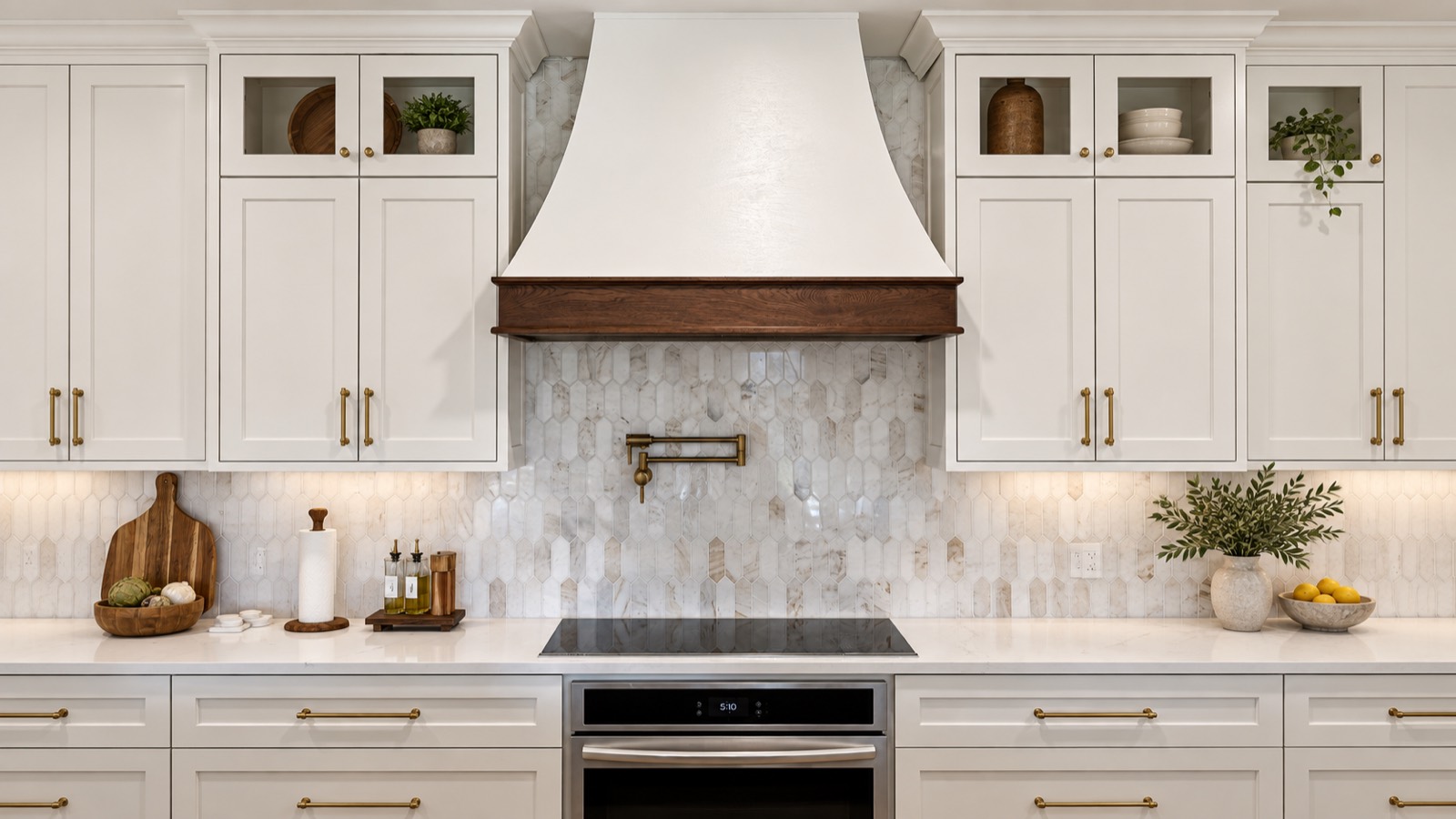
You can see the difference at the edges. Where a cabinet run meets a wall, where a stone countertop turns a corner, where a floor changes material at a threshold, where a door casing meets a base. These junctions are where a renovation either admits its budget or spends it. Flush bases, mitred stone, doors hung to the ceiling line, a reveal instead of a moulding—none of it announces itself. All of it costs more in drawing time and installation than the visible alternative.
It should look inevitable, which is the most expensive thing a room can look.
Where the Money Actually Goes
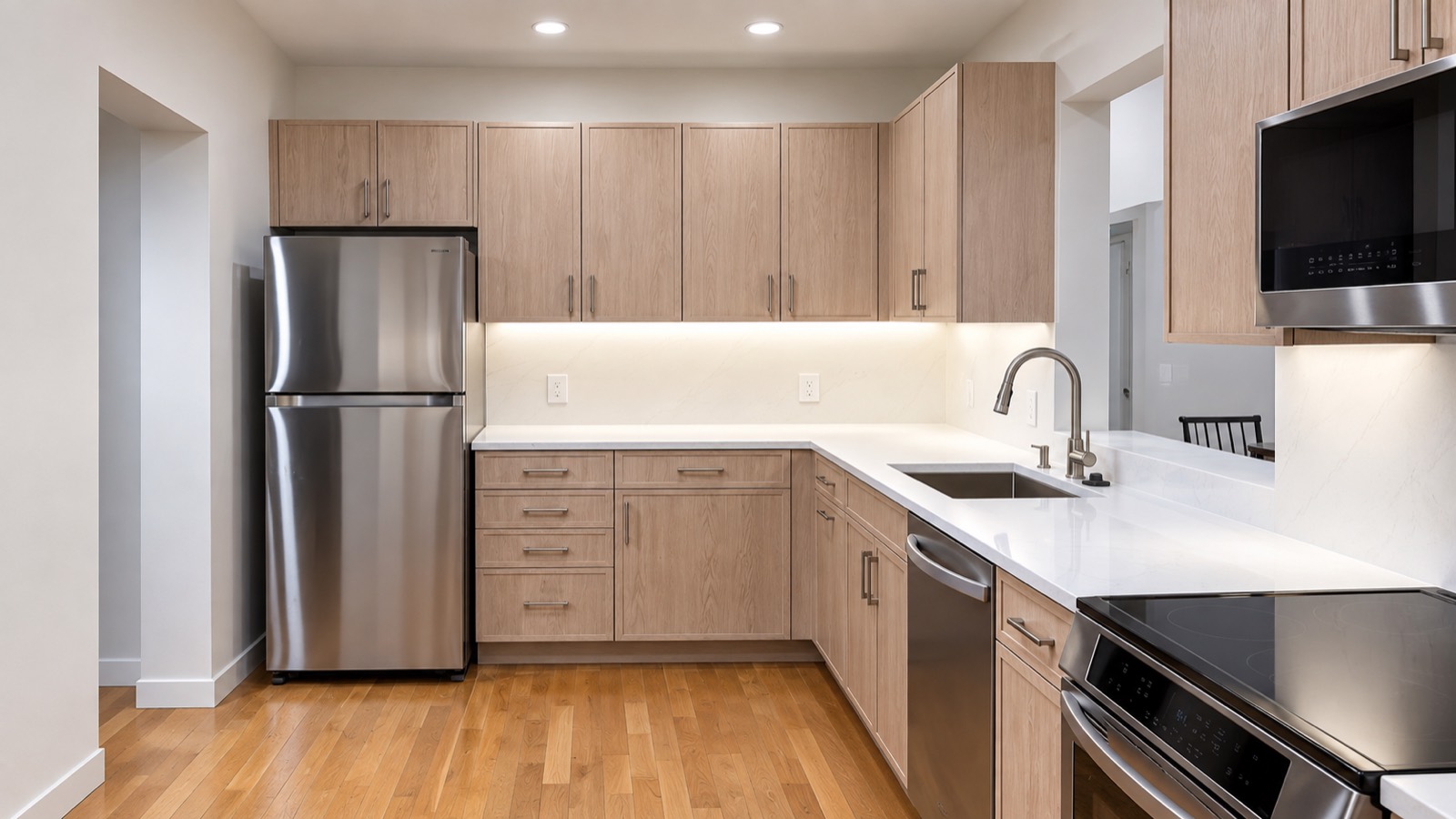
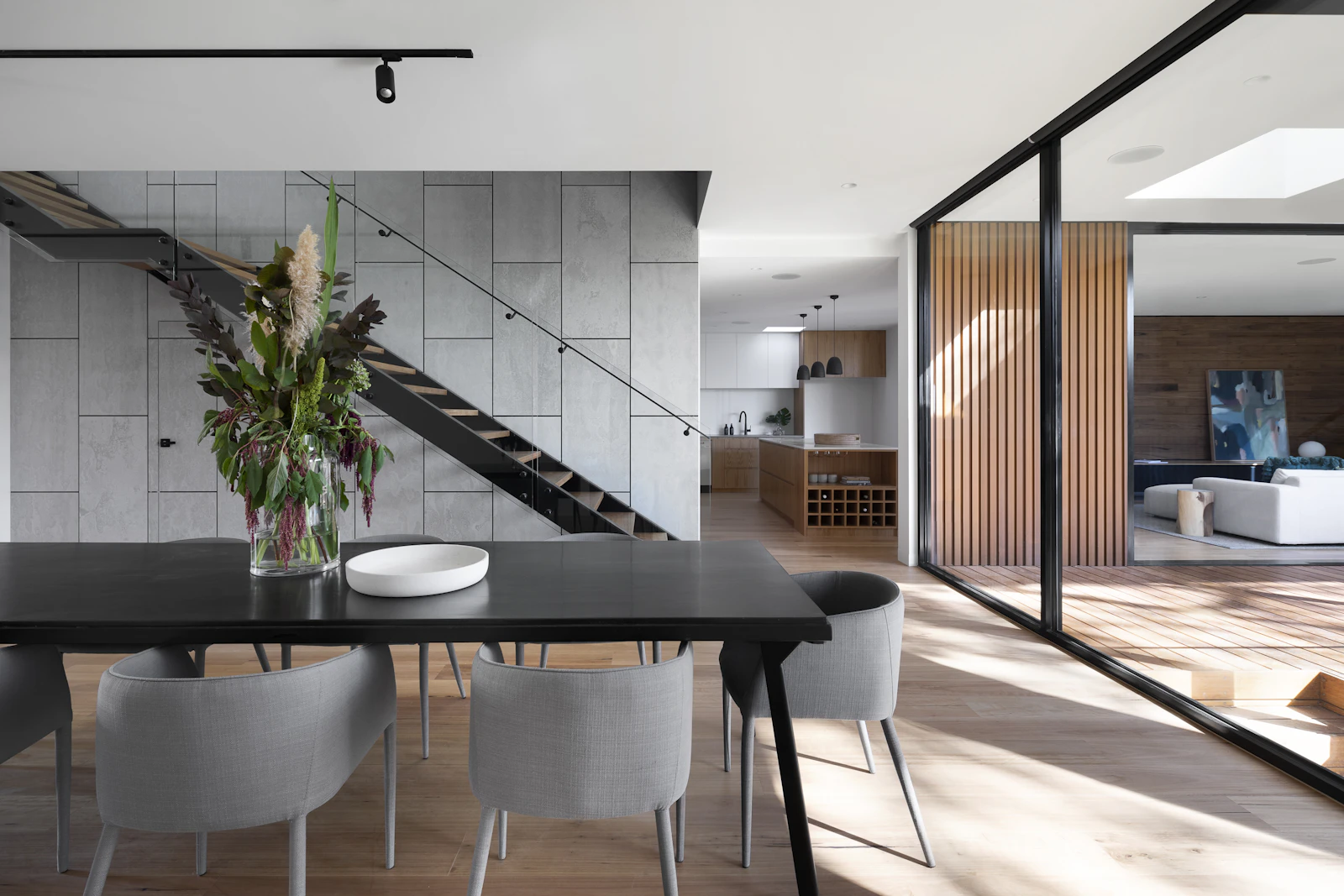
In a whole-home remodel designed this way, the budget shifts backward. Less of it sits in the objects you can point to and more of it sits in structure, millwork, and light. Removing a bearing wall so a sightline runs the depth of the house. Raising a ceiling by the eight inches the joists happen to allow. Custom cabinetry scribed to an out-of-plumb 1920s wall so the eye reads a single plane.
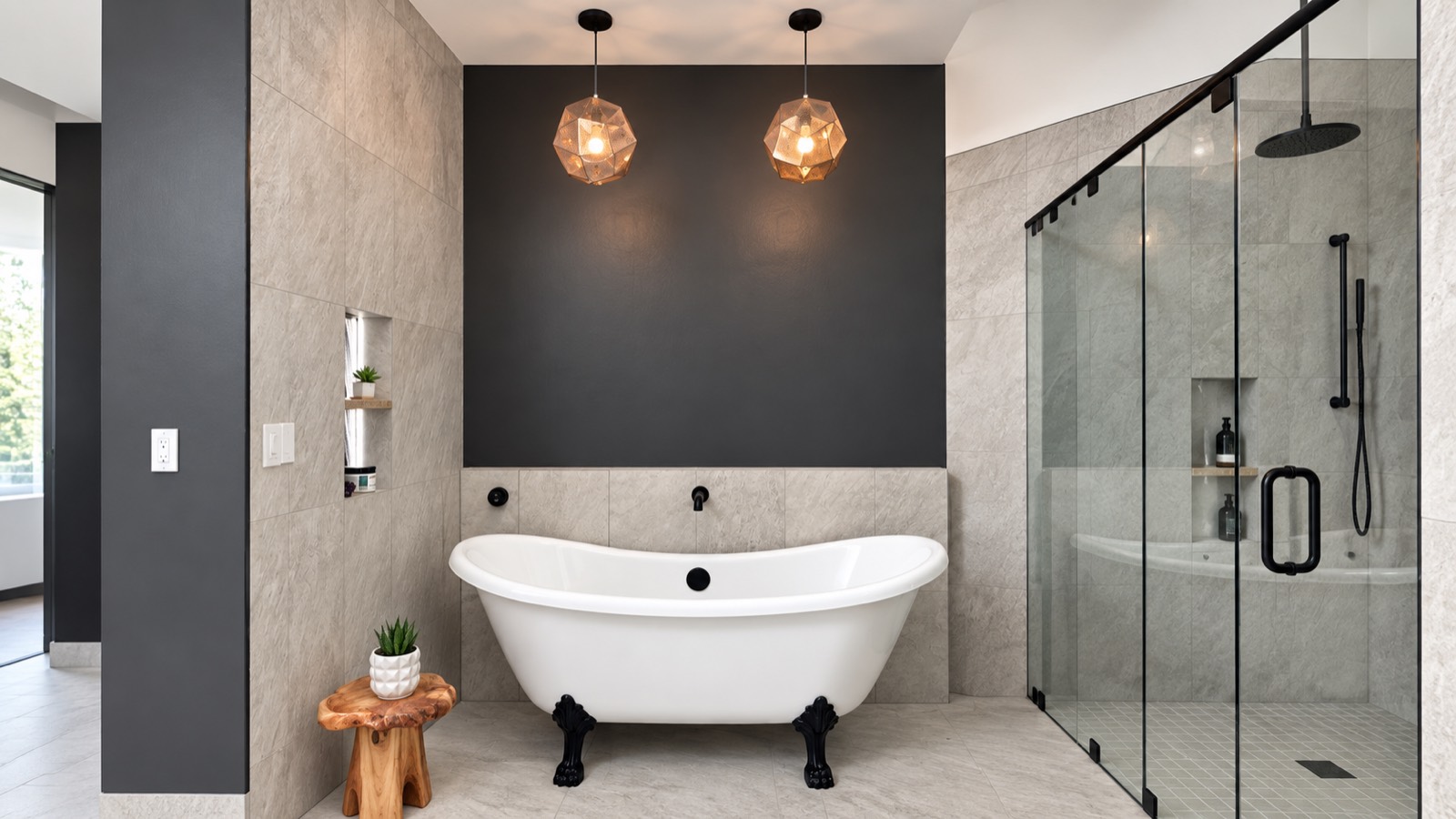
Lighting carries more of the effect than any finish. Layered sources at different heights, dimmed to warm as they fall, with the fixtures themselves largely out of view. The same logic governs technology: the best systems are the ones you stop noticing, which is a subject worth its own longer discussion.
The Newton Version
Newton makes a particular case for this. The housing stock—Victorians, shingled Colonials, mid-century houses on the hills—already has proportion and craft in it. A loud renovation fights that inheritance and usually loses. The better move is to work with what the house is already saying: keep the moulding profile the original builder used and repeat it in the addition, match the floor width rather than the floor color, and let the new work read as though it had always been there.
Our Newton whole-home work and the rooms in our executive spaces collection follow the same rule. The measure of success is not what a visitor compliments on the first evening. It is what the family stops seeing by the second month, because nothing in the room is asking for attention.
Planning note: Costs, lead times, and code requirements vary by property and change over time. Figures here are planning ranges, not quotations. Confirm current requirements with your municipality and qualified design and construction professionals before beginning work.