Massachusetts Tax-Free Weekend 2026: What Renovation Materials Qualify

On Saturday, August 8 and Sunday, August 9, 2026, Massachusetts suspends its 6.25 percent sales tax on most retail purchases. For a household in the middle of a renovation—or about to begin one—that is a genuinely useful weekend, provided you understand what the exemption covers and, just as importantly, whom it covers.
What the Weekend Actually Covers
The rule is simple in outline and exacting in application. Individual retail items priced at $2,500 or less, bought in Massachusetts for personal use, are exempt. You may combine as many qualifying items as you like—the ceiling applies to each item, not to the receipt. But the threshold is a cliff rather than a deduction: a single item priced above $2,500 is taxable on its entire price, not merely on the amount above the line.
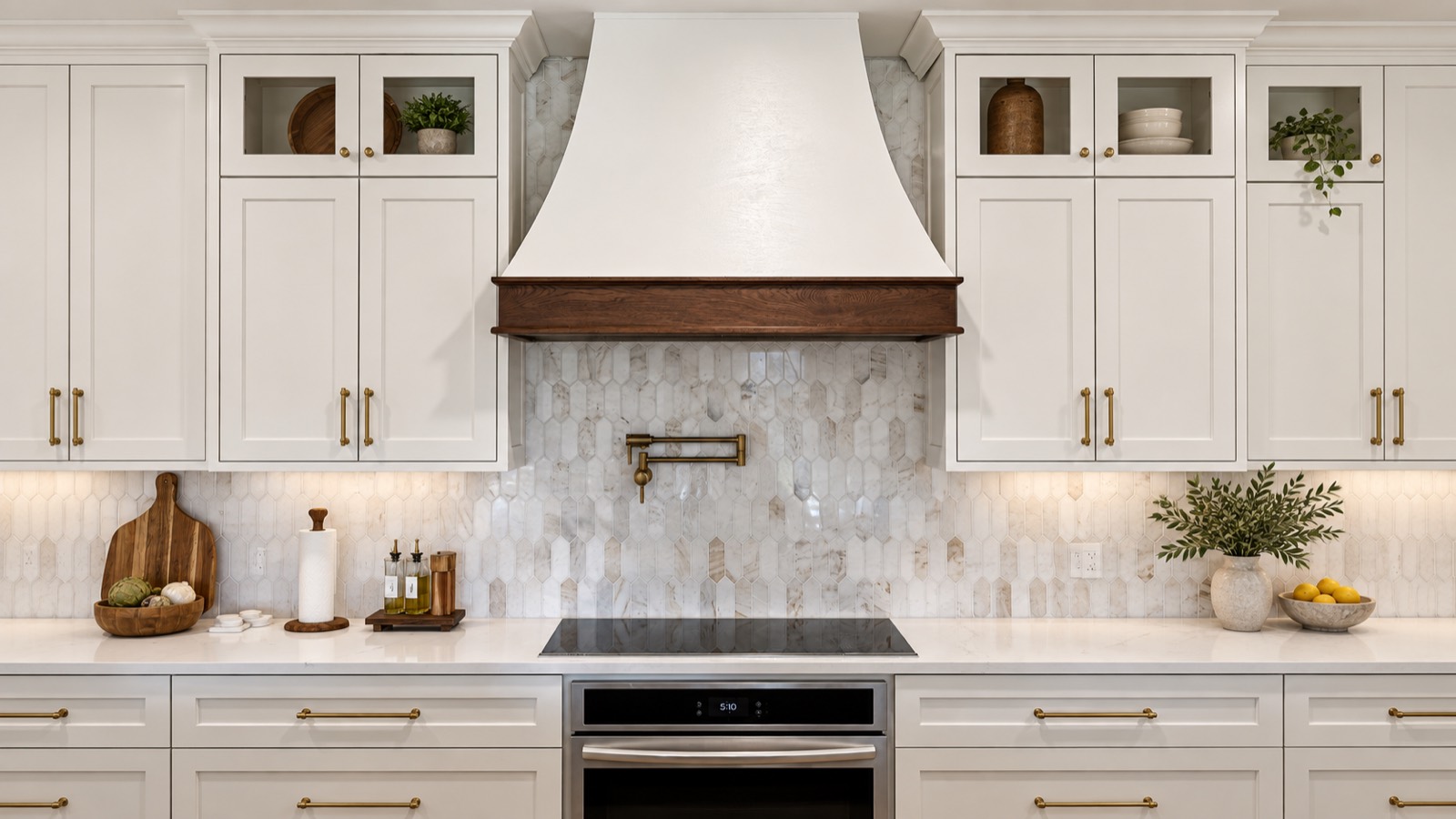
For a renovation, that maps neatly onto the things homeowners buy for themselves. Ranges, refrigerators, dishwashers, and hoods each qualify on their own as long as they stay under the ceiling. So do finish materials bought at retail—tile, hardwood and engineered flooring, plumbing fixtures, lighting, cabinet hardware, and paint. Meals, motor vehicles and motorboats, telecommunications services, utilities, tobacco, marijuana, and alcohol are excluded outright. The Department of Revenue's sales tax holiday guidance is the authority worth reading before you shop; the Legislature set this year's dates in June, as a 2018 law requires it to do annually.
The Rule That Catches Homeowners
Here is the part that surprises people. The exemption reaches only purchases made by individuals for personal use. Purchases by businesses, and purchases by individuals for business use, remain taxable—and that includes the firm building your project.
The weekend belongs to the homeowner, not to the job.
Massachusetts treats a construction contractor as the consumer of the materials it installs in real property. The builder pays sales tax when it buys lumber, tile, or fixtures, and does not charge tax on labor; that tax already sits inside the contract price. A builder cannot buy your flooring tax-free on your behalf during the holiday, because the purchase is a business purchase regardless of whose house it lands in.
How to Use It Well
Which makes this an owner-supplied opportunity. If your project includes items you are purchasing directly—appliances are the common case, and increasingly lighting and plumbing fixtures—timing those purchases to the eighth and ninth is worth real money on a kitchen remodel or a bathroom renovation.
Two cautions. Buy only what has already been specified. An appliance chosen for its price rather than its dimensions becomes an expensive cabinetry revision, and tile selected before the layout is resolved tends to arrive in the wrong quantity. And settle delivery and storage first: material that lands ten weeks early has to live somewhere dry and flat. A design-build process that has resolved specifications makes the weekend easy to use. One that has not makes it a wager. If you are still short of that clarity, what a professional estimate should include is the better place to begin.
Planning note: Sales tax rules, exemptions, and holiday dates are set by the Commonwealth and can change. Homeowners should confirm current requirements with the Massachusetts Department of Revenue before making purchases.